Repair of Roofing: Expert Guide for Homeowners
By Harper
February 6, 2026
4 min read
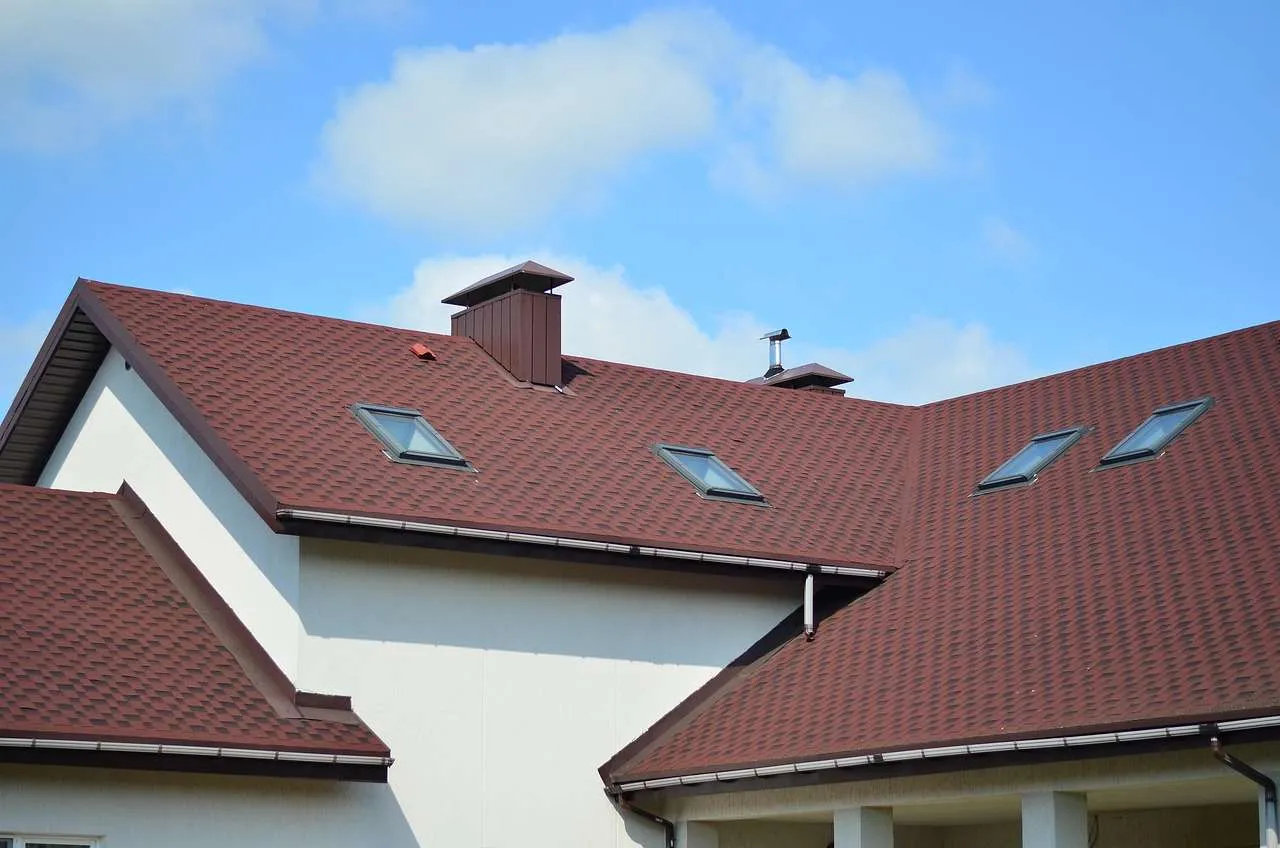
Repair of roofing is a common homeowner task that protects your property and maintains value. This guide explains how to recognize damage, what to expect when hiring help, and how to budget for repairs.
Understanding Repair of Roofing
Maintaining a roof is a combination of timely evaluation and technical skill. The goal of a proper repair is to restore watertight integrity and prevent further damage to insulation and structure.
Common Causes of Roof Damage
Many roofs fail due to a few recurring issues. Weather events such as hail, wind, and heavy rain can loosen shingles and damage flashing. Age and wear reduce shingle flexibility, leading to cracks and leaks. Poor installation, improper attic venting, and ponding water on flat roofs all contribute to accelerated deterioration.
Specific sources
- Storm impact and wind uplift
- Shingle wear and granule loss
- Damaged flashing around chimneys and vents
- Ice dams that back up water under shingles
- Mold and moisture intrusion from leaks
Signs You Need Repair
Look for visible indicators such as curling or missing shingles, dark streaks on ceilings after rain, attic daylight in rafters, or musty odors indicating moisture. Leaks in the upper level, stained ceilings, or peeling interior paint often point to a failed roof seal.
DIY vs Professional Roof Repair
Small, cosmetic fixes such as replacing a few shingles can sometimes be tackled by confident handy homeowners with proper safety gear. However roofing involves working at height, risk of falls, and potential structural damage if not done correctly. Hiring a licensed professional provides a safety margin, material warranties, and workmanship guarantees.
The Repair Process
- Initial inspection by a qualified contractor to identify active leaks and underlying causes.
- Assessment of whether the damage is localized or part of a broader issue and choosing the right repair method.
- Removal or replacement of damaged material, resealing, and reattaching flashing as needed.
- Water testing or inspection to ensure seal integrity after the repair.
- Documentation of the work, including warranty details and maintenance recommendations.
Choosing a Roofing Contractor
When selecting a pro, verify licensing and insurance, request a written estimate with scope and timeline, and check references. Ensure the contractor offers a warranty on workmanship and that the contract specifies cleanup and disposal of old materials. A reliable roofer will provide before and after photos and a written maintenance plan tailored to your climate.
Costs and Budgeting
Repair costs vary by material, extent of damage, and region. Typical projects range from a few hundred dollars for small shingle replacements to several thousand for major leaks involving decking or flashing replacement. Ask for a detailed breakdown, including labor, materials, permits if needed, and contingency for hidden damage. Remember that delaying repairs after signs of water intrusion can dramatically raise costs later.
Maintenance and Longevity
Regular inspections after seasons of heavy weather, cleaning gutters, trimming overhanging branches, and keeping attic ventilation balanced all extend roof life. Address minor issues promptly and schedule professional assessments every 3 to 5 years, or after severe storms.
Repair vs Replacement: A Quick Comparison
| Repair Type | Typical Cost | Pros | Cons |
|---|---|---|---|
| Shingle repair | 150 to 600 | Fast fix and low disruption | May be temporary |
| Leak patch | 200 to 900 | Stops water quickly | Could recur |
| Flashing repair | 300 to 1200 | Stops leaks at joints | Requires skillful installation |
| Vent seal repair | 250 to 800 | Prevents moisture | May need attic work |
Regular inspection and timely repair of roofing components help prevent costly replacements and extend the life of the roof system.
Summary: Repair of roofing involves careful assessment, appropriate fixes by qualified professionals, and ongoing maintenance to protect the home and investment over time. By recognizing signs early, budgeting wisely, and choosing a reputable contractor, homeowners can achieve durable results with confidence.